The use of potatoes in renewable energy sources
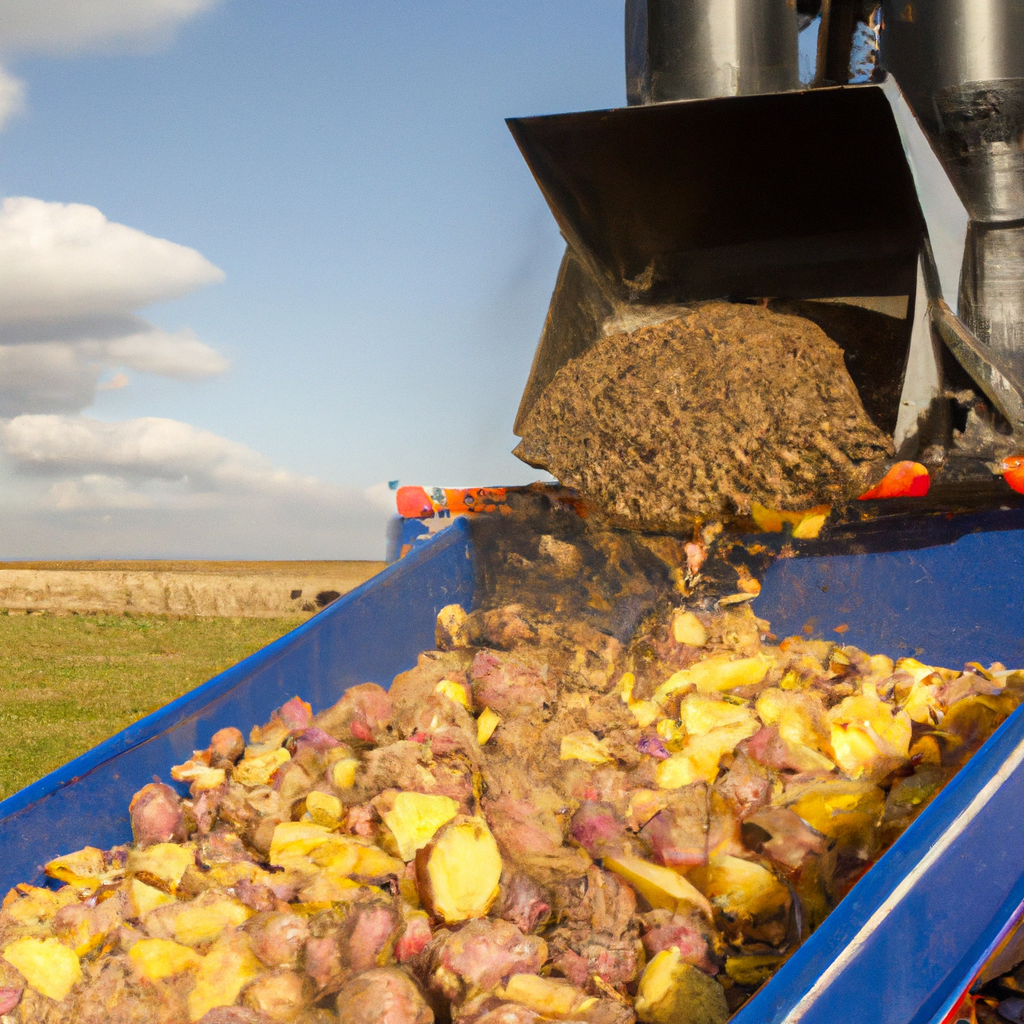
The Role of Potatoes in Renewable Energy Sources
The need for renewable energy sources is steadily increasing as we aim to reduce the environmental impact of conventional fuel sources. In recent years, researchers have been investigating alternative sources of energy, and one surprising candidate is the humble potato.
Potatoes are known worldwide for their culinary versatility and their nutritional value. But it turns out that potatoes can also be a sustainable energy source. In this article, we will explore the potential of potatoes in renewable energy sources.
The Potato as a Biomass Source
Biomass is the organic matter that can be used as a fuel source. It includes plants, trees, and crops, and it can be converted into electricity, heat, or fuel. Potatoes are a type of biomass that can be used as a renewable energy source due to their high starch content.
Potatoes contain large amounts of starch, a complex carbohydrate made up of glucose molecules. When potatoes are processed, the starch can be broken down into sugars that can be used to produce ethanol. Ethanol is a type of biofuel that can be used in traditional engines, and it is a sustainable alternative to gasoline.
Ethanol Production from Potatoes
The production of ethanol from potatoes involves several steps. First, the potatoes are harvested and transported to a processing facility where they are washed, peeled, and cut into slices. Then, the potato slices are mixed with water and heated to create a starch slurry. The starch is then converted into sugar using enzymes, and the sugar is fermented to produce ethanol.
The process of turning potatoes into ethanol is relatively simple and efficient. According to a study published in the Journal of Agricultural Sciences, one ton of potatoes can produce around 370 liters of ethanol. This means that a significant amount of biofuel can be produced from a relatively small amount of potatoes.
Potato Waste as a Biofuel
Aside from the starch, potatoes also contain other organic compounds that can be used to produce biofuel. Potato waste, such as peels and trimmings, can be converted into biogas. Biogas is a type of renewable energy source that is produced through the anaerobic digestion of organic matter.
The process of producing biogas from potato waste involves collecting the potato waste and placing it in an airtight container called a digester. The digester breaks down the potato waste through the action of bacteria, producing a methane-rich gas that can be used to generate electricity or heat.
The advantage of using potato waste as a biofuel is that it reduces the amount of waste sent to landfills, which can emit significant amounts of greenhouse gases. Furthermore, biogas production is a sustainable way of producing energy while also reducing the carbon footprint of potato processing.
Potatoes in Bioenergy Research
Potatoes have been the subject of several studies investigating their potential as a renewable energy source. One such study was conducted by researchers at the Gansu Agricultural University in China. The researchers found that potato stalks, which are the leftover stems of potato plants after the potatoes are harvested, can be used to produce bioethanol.
The study revealed that the stalks are rich in cellulose, a type of plant material that can be converted into glucose and then into ethanol. The researchers estimated that one hectare of potato stalks can produce up to 10,000 liters of ethanol, making it a potentially valuable source of bioenergy.
Another study published in the Journal of Cleaner Production investigated the use of potato waste as a feedstock for the production of biofuels. The researchers found that potato waste can be used to produce different types of biofuels, including biodiesel, bioethanol, and biogas. The study concluded that potato waste can be a sustainable source of bioenergy, providing an eco-friendly alternative to fossil fuels.
Conclusion
Potatoes are not only a staple food source but also a potential renewable energy source. Potatoes have a high starch content, which can be converted into bioethanol, a type of biofuel that can be used in traditional engines. Potato waste can also be converted into biogas, a renewable energy source that can be used for electricity and heating.
The use of potatoes in renewable energy sources is still in its early stages, but there is considerable potential for further research and development. With the growing need for renewable energy sources, harnessing the power of potatoes may well play a vital role in the transition to a more sustainable future.
