The impact of climate change on potato production
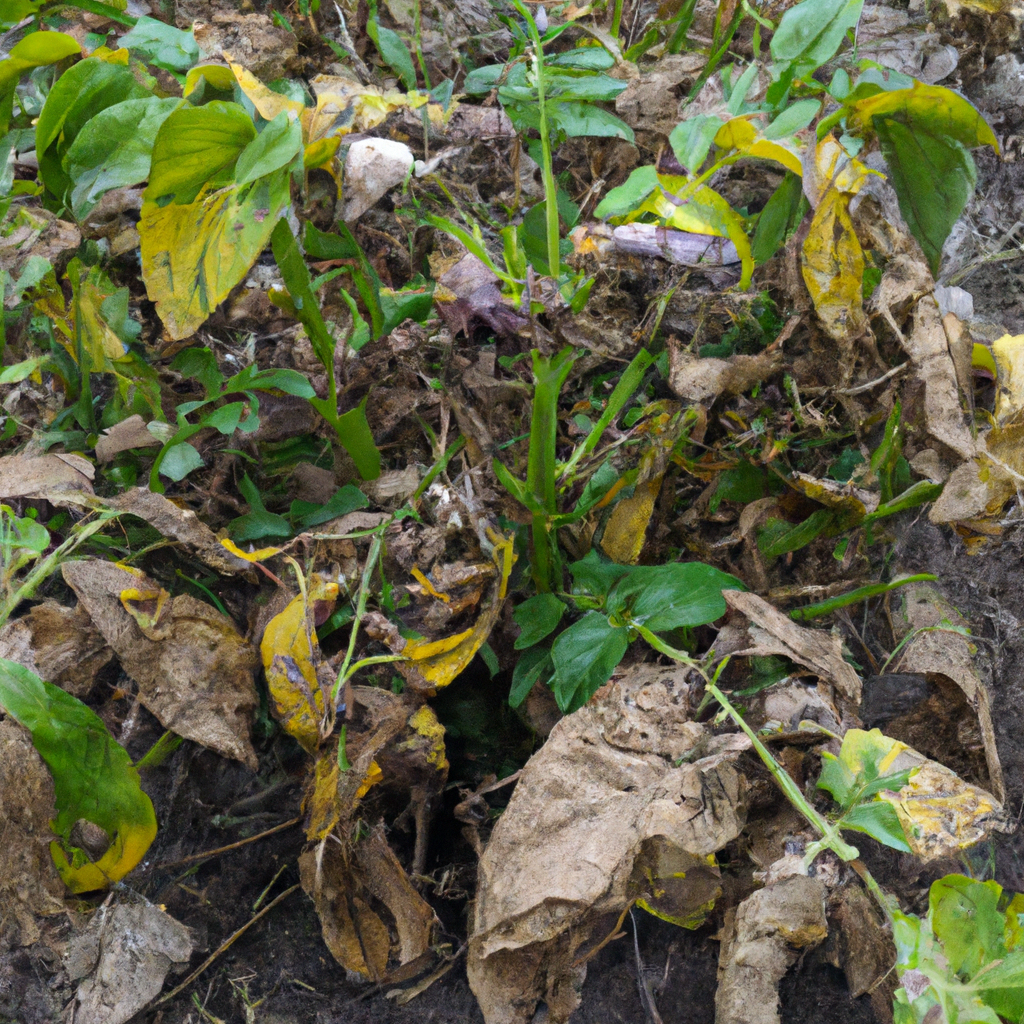
The Impact of Climate Change on Potato Production
Potato is a crucial staple crop worldwide, and its production is paramount to food security in many countries. However, climate change is increasingly becoming a significant challenge to potato production, with farmers experiencing frequent extreme weather events and changes in temperature and rainfall patterns. In this article, we will discuss the impact of climate change on potato production and explore some potential solutions to mitigate these effects.
Extreme weather events
Extreme weather events such as floods, droughts, and heatwaves have significant implications for potato production. For instance, floods can damage crops by washing away topsoil, submerging plants in water, and promoting the spread of diseases caused by water-borne pathogens. Droughts, on the other hand, can lead to crop failures due to insufficient water supply, causing potato plants to wilt and produce smaller tubers. Moreover, heatwaves can affect potato flowering and tuber initiation, leading to reduced yields and quality.
According to a study published in the journal Global Change Biology, climate change is expected to increase the frequency and intensity of extreme weather events in many potato-growing regions worldwide. The authors of the study projected that by the end of the century, potato yields could decline by up to 32% in some regions due to climate change-induced weather extremes.
Changes in temperature and rainfall patterns
Climate change is also altering temperature and rainfall patterns worldwide, affecting potato production in various ways. For example, as temperatures rise, potato crop phenology is changing, meaning that the timing of key developmental phases, such as planting and harvest, is shifting. This can have knock-on effects on pest and disease incidence, which can impact yields.
Moreover, changes in rainfall patterns, including more intense and erratic rainfall, can lead to soil erosion and nutrient leaching. This can result in soil degradation and reduced soil fertility, which can further hinder potato growth and development.
According to the Food and Agriculture Organization (FAO), warming temperatures and changing precipitation patterns are likely to cause significant reductions in potato productivity across the globe over the coming decades. By 2050, potato yields in some regions could decrease by up to 32% due to climate change-induced changes in temperature and rainfall patterns.
Potential solutions
Despite the challenges facing potato production from climate change, there are potential solutions to help mitigate its impacts. Here are some of them:
1. Crop diversification
Crop diversification involves growing a variety of crops rather than relying on a single crop. It can provide a buffer against crop failures and promote sustainable agriculture. In regions where potato production is the primary agricultural activity, crop diversification can help mitigate the risks associated with extreme weather events and climate change-induced changes in temperature and rainfall.
2. Use of drought-resistant and heat-tolerant potato varieties
Plant breeders are developing drought-resistant and heat-tolerant potato varieties that can withstand extreme weather events and changes in temperature and rainfall patterns. These varieties can help farmers adapt to climate change and maintain yields and quality despite adverse weather conditions.
3. Soil conservation and management practices
Soil conservation and management practices, such as conservation tillage and cover cropping, can help reduce soil erosion and nutrient leaching, enhancing soil fertility and improving potato growth and development. These practices can also improve soil structure, water-holding capacity, and organic matter content, making soil more resilient to climate change-induced changes in temperature and rainfall patterns.
4. Integrated pest management
Integrated pest management involves using a combination of techniques, including cultural, biological, and chemical methods, to manage pests and diseases sustainably. It can help reduce pesticide use, lower production costs, and promote ecological balance. Moreover, an integrated pest management approach can help mitigate the risks associated with climate change-induced changes in pest and disease incidence.
Conclusion
Climate change poses significant challenges to potato production worldwide. Climate change-induced weather extremes, changes in temperature and rainfall patterns, and alterations in the phenology of potato crops can lead to reduced yields and quality, adversely affecting food security and livelihoods. However, by adopting solutions such as crop diversification, using drought-resistant and heat-tolerant potato varieties, implementing soil conservation and management practices, and implementing integrated pest management, farmers can adapt to climate change and maintain sustainable potato production.
