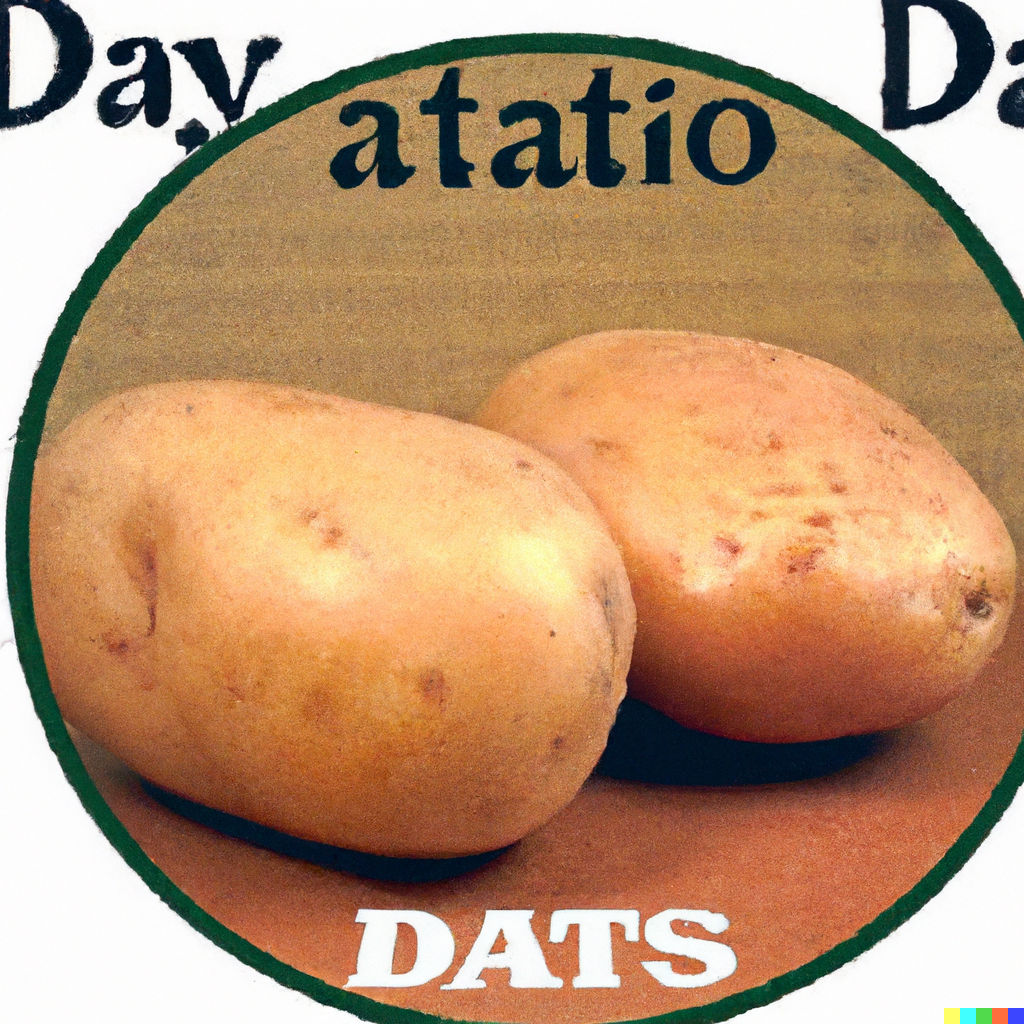
The history of the potato industry
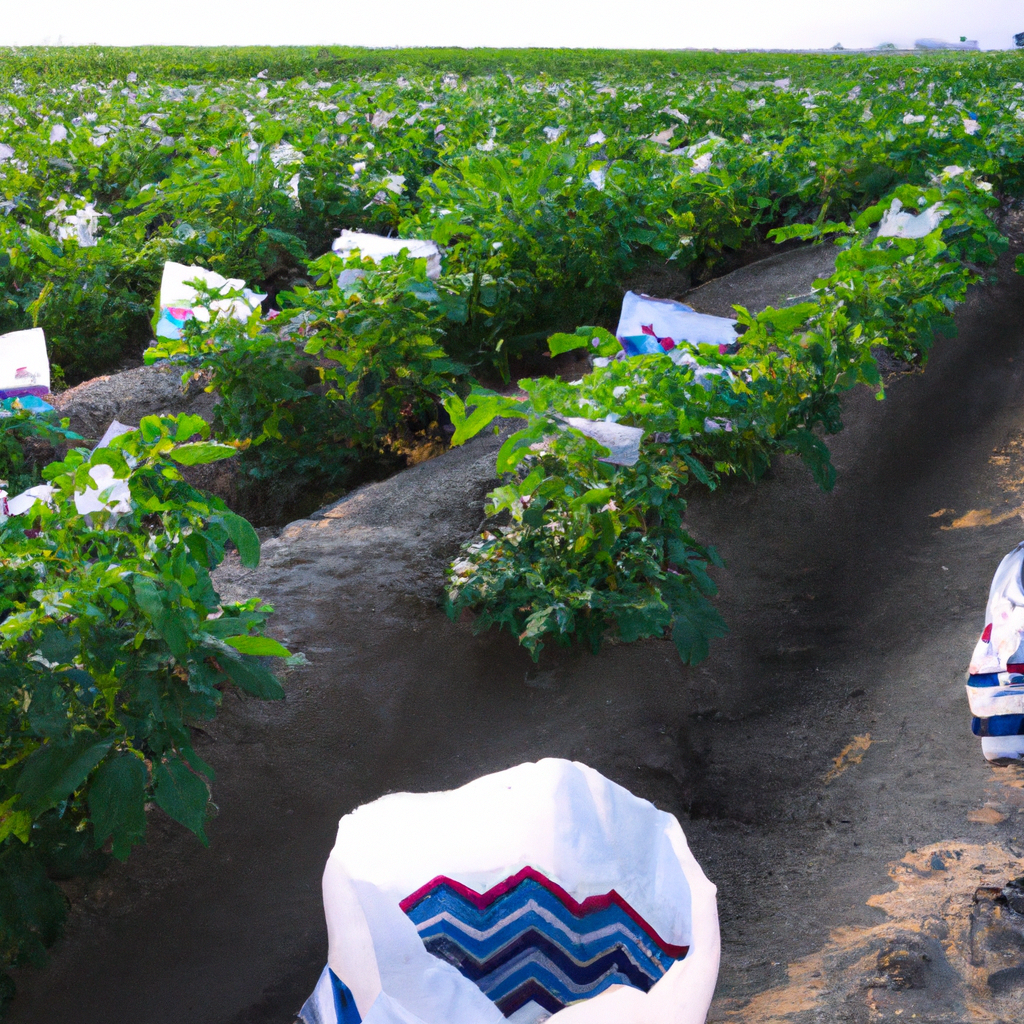
The History of the Potato Industry
Introduction
From mashed potatoes and fries to potato chips and vodka, potatoes have become a staple food in many countries around the world. But how did this versatile tuber come to be so important? In this article, we will delve into the history of the potato industry and learn about the vegetable that changed the world.
The Origins of the Potato
Potatoes are believed to have originated in the Andes Mountains of South America. The Incas were the first to cultivate potatoes, and they were a vital part of their diet. When the Spanish conquered the Americas in the 16th century, they discovered this new crop and brought it back to Europe.
The Arrival of the Potato in Europe
The potato arrived in Europe in the late 16th century, and it was initially met with suspicion and skepticism. Some people believed that the potato was poisonous or caused leprosy. However, others saw the benefits of the new crop, and it soon became popular, especially among the poor.
Potatoes were easy to grow, and they produced a large amount of food in a small space. They were also a good source of nutrition and were resistant to diseases that affected other crops.
The Irish Potato Famine
The potato became especially important in Ireland, where it was the main staple food of the rural population. In the mid-19th century, a fungus called Phytophthora infestans infected the potato crop, causing a devastating famine that killed over a million people and forced many others to emigrate.
The Irish Potato Famine had far-reaching consequences, and it changed the course of Irish history. It also led to a greater understanding of the importance of crop diversification and the development of new varieties of potatoes that were more resistant to disease.
The Growth of the Potato Industry
Despite the setback of the Irish Potato Famine, the potato continued to grow in popularity, especially in Europe and North America. The development of new varieties, such as the Russet Burbank, made it easier to grow potatoes on a large scale. This led to the growth of the potato industry and the rise of companies that specialized in the production and distribution of potatoes.
The Role of Potatoes in World War II
During World War II, potatoes played a crucial role in feeding the troops. Soldiers in Europe relied on potatoes as a primary source of nutrition, and they were often served with meat to provide a balanced meal.
The potato industry also played a crucial role in the war effort by providing starch for the production of explosives. The United States government even created a Potato Control Office to regulate the production and distribution of potatoes during the war.
The Modern Potato Industry
Today, the potato industry is a multi-billion dollar industry that spans the globe. Potatoes are grown in many countries around the world, and they are used in a wide variety of products, from potato chips and french fries to vodka and industrial starches.
The potato industry has also had to adapt to changing consumer preferences and concerns about health and the environment. Many producers have shifted towards organic and non-GMO crops, and there has been a growing interest in alternative and heirloom varieties of potatoes.
Conclusion
The history of the potato industry is a fascinating story of innovation and growth. From their humble origins in the Andes to their ubiquitous presence in kitchens and grocery stores around the world, potatoes have become an essential part of our diet and our economy. As the world continues to change, the potato industry will undoubtedly continue to evolve, adapting to new challenges and opportunities.
