The future of potato farming
The future of potato farming is looking up. As the demand for potatoes continues to increase, farmers are looking for ways to innovate and expand crop yields. With advancements in technology and new farming methods, the potato farming industry is poised for growth and success in the years to come.
One area of innovation that is helping potato farmers is precision agriculture. Precision agriculture involves the use of technology to monitor and analyze crop growth, soil quality, and weather patterns. By using sensors and other monitoring devices, farmers can better understand the needs of their crops and adjust their farming practices accordingly.
For potato farming, precision agriculture can be particularly useful in monitoring soil quality. By understanding what nutrients are present in the soil, farmers can adjust fertilizer usage to promote better plant growth. Additionally, precision agriculture can help farmers monitor soil moisture levels, which is particularly important in regions that experience droughts.
Another area of innovation that is changing the future of potato farming is the use of robotics. Robotic technology allows farmers to automate many tasks, such as planting and harvesting. This will be particularly important as labor shortages continue to be a challenge for the agricultural industry.
Additionally, robotics can help farmers increase crop yields. For example, robotic harvesters can use optical sensors to identify which potatoes are ready for harvesting, ensuring that farmers only pick fully matured crops. This can increase overall crop yields while reducing waste.
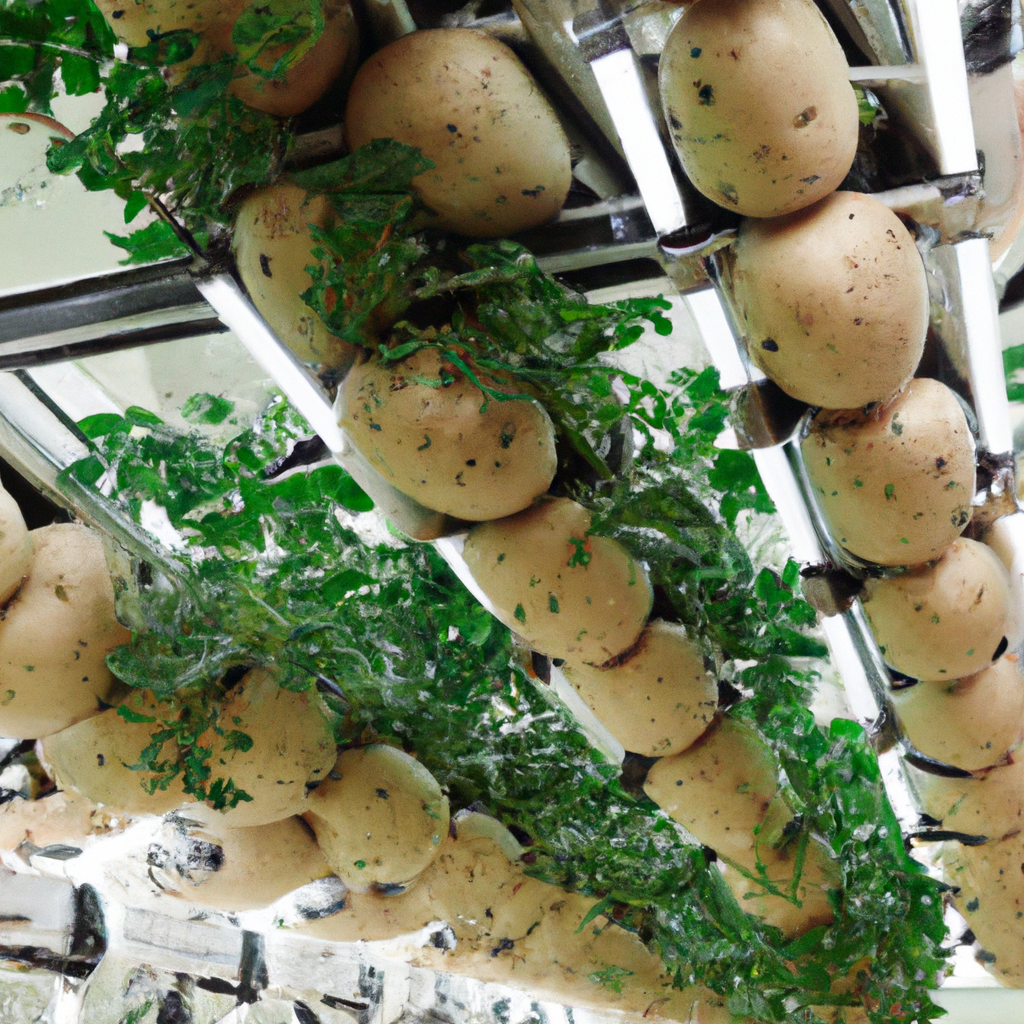
One technology that is particularly promising for potato farming is vertical farming. Vertical farming involves growing crops in vertically stacked layers in a controlled environment. This can be particularly useful for potato farming as it allows farmers to grow crops year-round in regions with harsh climates.
Vertical farming also has the potential to increase crop yields. By growing crops in a controlled environment, farmers can optimize growing conditions and respond quickly to any issues that arise. Additionally, vertical farming can be more sustainable than traditional farming methods as it uses fewer resources, such as water and pesticides.
Finally, advancements in genetics are also changing the future of potato farming. Scientists are developing new varieties of potatoes with traits that make them more resistant to pests and diseases. Additionally, they are working to develop potatoes that have higher nutritional value or can be grown in harsher climates.
These new varieties of potatoes will be particularly important in regions where climate change is leading to more extreme weather events. By developing potatoes that can withstand harsh conditions, farmers can ensure a stable food supply for local communities.
In conclusion, the future of potato farming is looking bright. By incorporating new technologies, such as precision agriculture and robotics, and developing innovative farming methods like vertical farming, farmers can increase crop yields and reduce waste. Additionally, advancements in genetics are leading to the development of new potato varieties that are more resistant to pests and diseases and can be grown in harsher climates. With these innovations, potato farming will continue to be a vital part of the global food supply for years to come.
