Research on potato diseases and treatments
Research on Potato Diseases and Treatments
Potatoes are one of the most important crops in the world and are an essential food source for millions of people. However, potato diseases can cause significant yield losses, reducing farmers’ income and threatening food security. That is why research on potato diseases and treatments is crucial.
In this article, we will highlight the most common potato diseases and the latest research on their management.
Early Blight
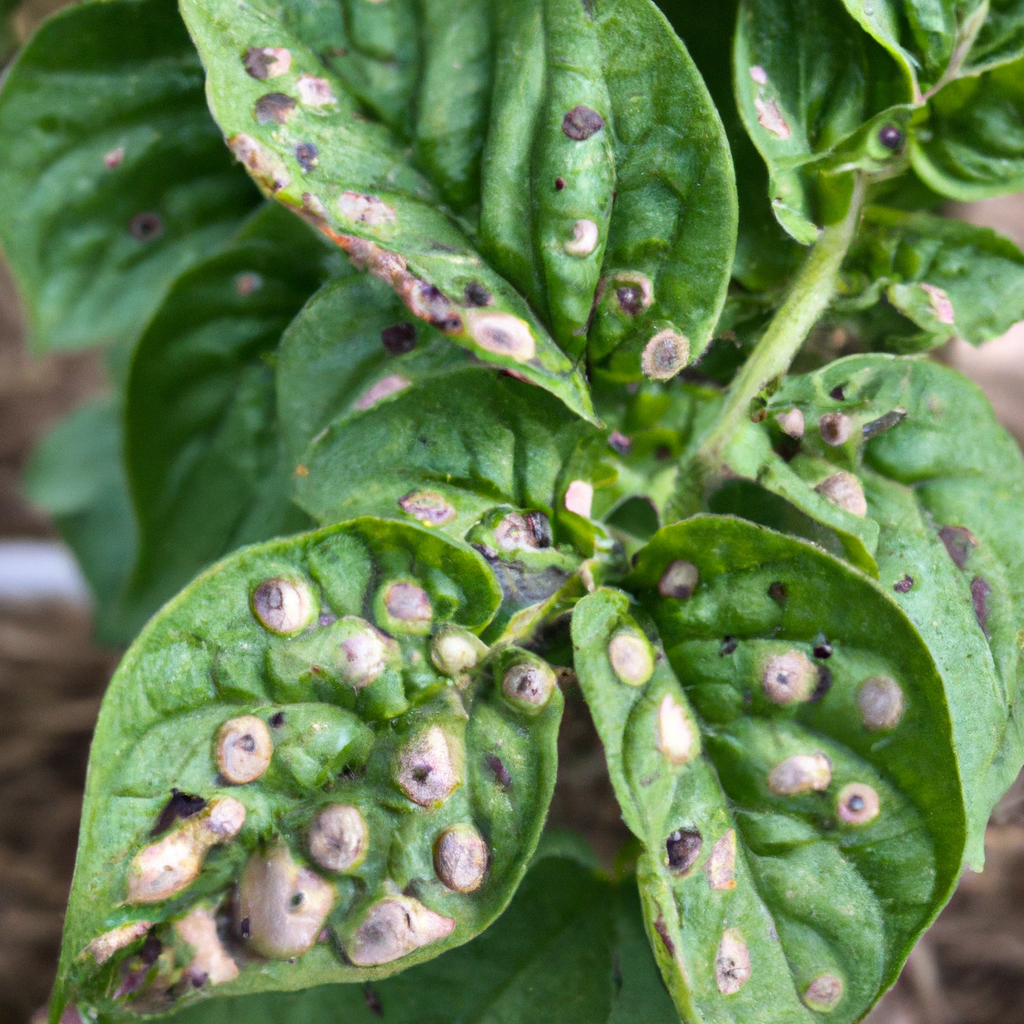
Early blight, caused by the fungus Alternaria solani, is one of the most widespread diseases of potato plants. Symptoms include brown spots on the leaves, which can merge and kill the entire leaf. In severe cases, the disease can also affect the stem and tubers, causing yield losses.
Fungicides are commonly used to control early blight, but their efficacy is reduced due to the development of resistance. Therefore, researchers have been looking for alternative treatments.
One promising method is the use of natural compounds with antifungal properties. For example, researchers from the University of Tehran found that the essential oil of thyme, when applied as a foliar spray, reduced early blight severity by up to 73%. Similarly, a study conducted by the University of Naples found that a mixture of garlic extract and copper ions had significant antifungal activity against A. solani.
Late Blight
Late blight, caused by the oomycete Phytophthora infestans, is a devastating disease that caused several famines in the past. Symptoms include brown lesions on the leaves, which can spread to the stems and tubers and cause them to rot.
Control of late blight relies heavily on the use of fungicides. However, the pathogen can develop resistance, and the long-term use of fungicides can have adverse effects on the environment and human health.
To reduce the use of fungicides, researchers have been developing integrated disease management strategies. One example is the use of biocontrol agents, such as bacteria and fungi, to suppress the pathogen’s growth.
In a recent study, researchers from the University of Lleida found that Bacillus amyloliquefaciens, a soil-borne bacterium, reduced late blight severity by up to 54% when applied as a foliar spray. Similarly, a study conducted by the University of Szczecin found that Clonostachys rosea, a fungus that lives in soil, reduced late blight severity by up to 52% when applied as a seed treatment.
Blackleg
Blackleg, caused by the bacteria Pectobacterium and Dickeya, is an emerging disease of potato plants. Symptoms include blackening of the stem, crown rot, and wilting of the leaves, which can lead to plant death.
Control of blackleg relies mainly on the use of seed potato certification programs, which aim to prevent the spread of the pathogen through infected planting material. However, the emergence of new strains of the bacteria has challenged the effectiveness of these programs.
Therefore, researchers have been looking for alternative methods to control blackleg. In a recent study, researchers from the University of Stellenbosch found that the application of plant growth-promoting rhizobacteria (PGPR) reduced blackleg severity by up to 90%. PGPR are beneficial bacteria that live in the rhizosphere, the soil surrounding the roots, and promote plant growth and health.
Similarly, researchers from the University of Aberdeen found that biochar, a black carbon material produced from the pyrolysis of organic matter, reduced blackleg severity by up to 78%. Biochar has been shown to improve soil quality by increasing nutrient availability and retaining moisture, which can reduce plant stress and increase disease resistance.
Conclusion
Potato diseases are a significant threat to food security and farmers’ income. The development of new, effective, and sustainable management strategies is crucial to reduce the use of agrochemicals and prevent the spread of the pathogens.
The research highlighted in this article shows that natural compounds, biocontrol agents, and soil amendments have the potential to improve potato disease management. However, more research is needed to test their efficacy under different conditions and to develop integrated disease management strategies.
Therefore, stakeholders from different sectors, such as academia, industry, and policymakers, should collaborate to support research, development, and dissemination of sustainable potato disease management strategies. In this way, we can ensure a resilient and sustainable potato production system that contributes to food security and economic development.
