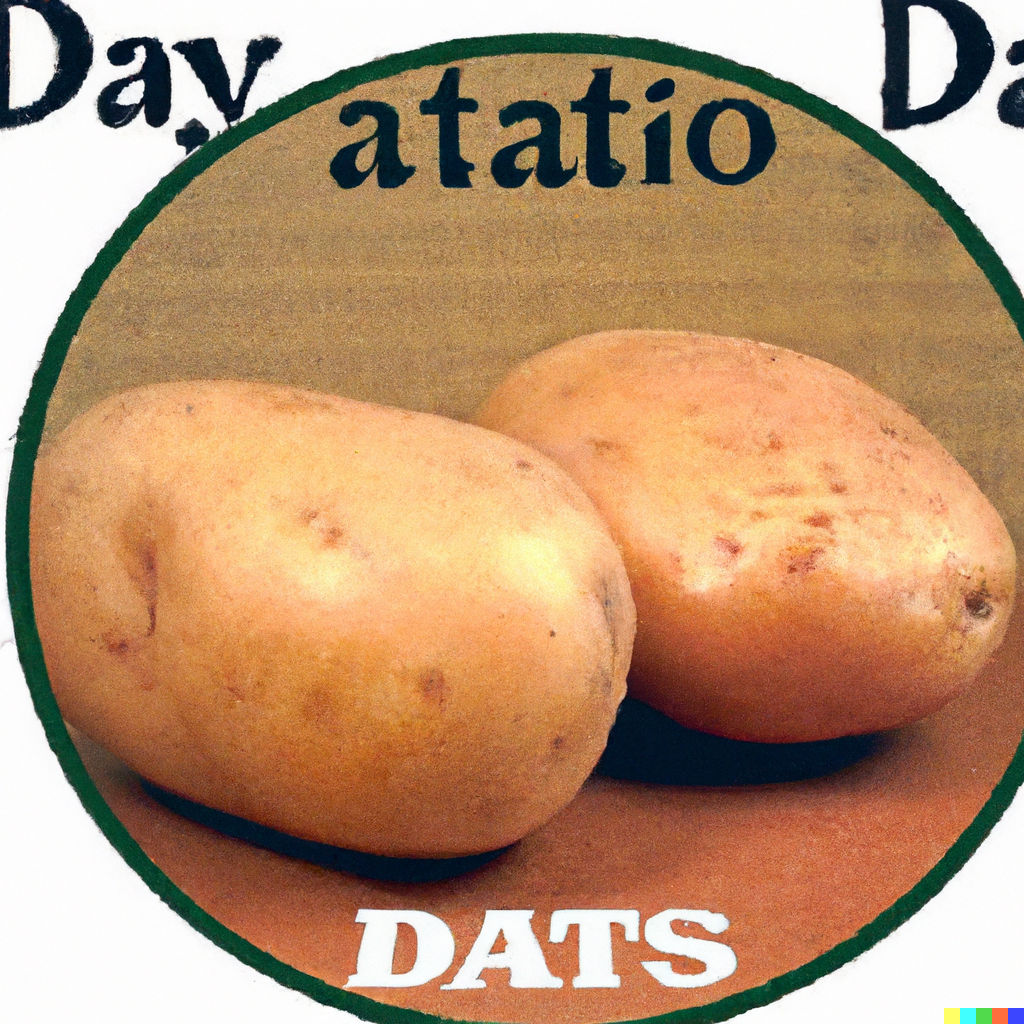
Potatoes as a sustainable food source
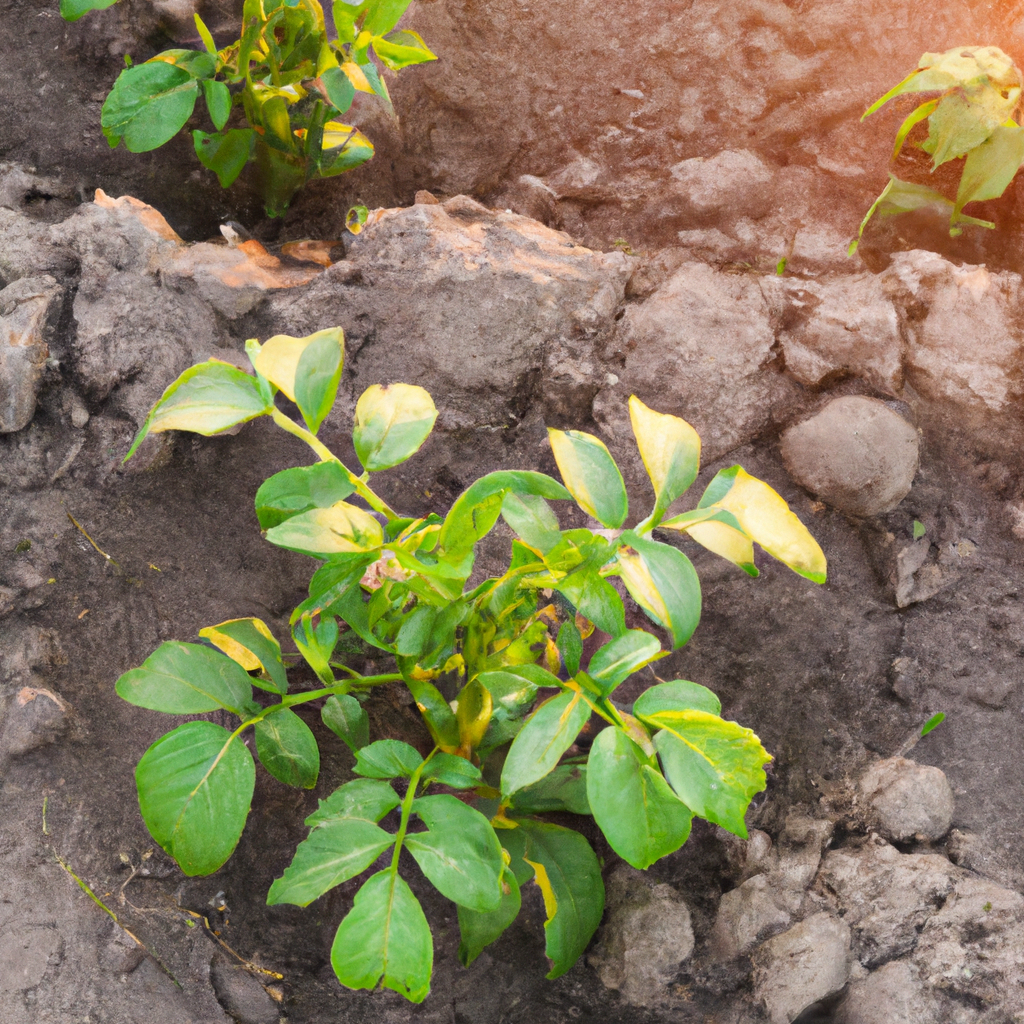
Potatoes as a Sustainable Food Source
Potatoes are a staple food in many countries and cultures around the world. They are a rich source of carbohydrates, vitamins, and dietary fiber. In addition to their nutritional value, potatoes are also a sustainable food source. They are easy to cultivate and require minimal resources, making them an ideal crop for small scale farming.
Benefits of Potatoes as a Sustainable Food Source
Versatile Crop
Potatoes can be grown in a variety of climates and soil types. They can be grown in large fields or small plots. This makes them an accessible crop for small scale farmers who may not have access to large amounts of land. Additionally, potatoes can be cooked in a variety of ways, making them a versatile and convenient food source.
Minimal Resource Requirements
Compared to other crops, potatoes require very little water and fertilizer. This makes them an environmentally friendly crop because they have a low impact on the surrounding ecosystem. They also require minimal processing, meaning there is less energy used in the production of potato-based products. This is important because energy usage is a major contributor to greenhouse gas emissions.
Nutritional Value
Potatoes are an excellent source of nutrition. They are high in carbohydrates, which are essential for energy production. They also contain vitamin C, vitamin B6, potassium, and dietary fiber. All of these nutrients are important for maintaining good health.
Economic Benefits
Potatoes are a low-cost crop to produce, making them an ideal food source for communities in need. Because they are so easy to grow, they can provide a source of income for small scale farmers. Additionally, potato-based products are in high demand, especially in areas where fresh produce is not readily available.
Examples of Sustainable Potato Farming
Traditional Andean Farming
Potatoes have been grown in the Andean highlands for thousands of years. Indigenous farmers in these regions have developed sustainable farming practices that have been passed down from generation to generation. These practices include the use of terracing to prevent soil erosion, the rotation of crops to maintain soil fertility, and the preservation of ancient potato varieties.
Vertical Farming
Vertical farming is a sustainable farming technique that involves growing crops in stacked layers. This allows farmers to grow more crops using less land. This technique can be especially useful for growing potatoes, which can be planted in a vertical stack to maximize space.
Community Gardens
Community gardens are a great way to promote sustainable food sources in urban areas. Potatoes can be grown in small plots, making them ideal for community gardening projects. This not only provides a source of fresh produce for local communities, but it also promotes social cohesion and healthy living.
Conclusion
Overall, potatoes are an ideal sustainable food source. They are easy to cultivate, require minimal resources, and provide a range of nutritional benefits. In addition to their nutritional value, potato farming can also promote economic sustainability and community development. Whether grown by traditional Andean farmers, in vertical farms, or in community gardens, potatoes are a versatile and reliable food source for today and into the future.
