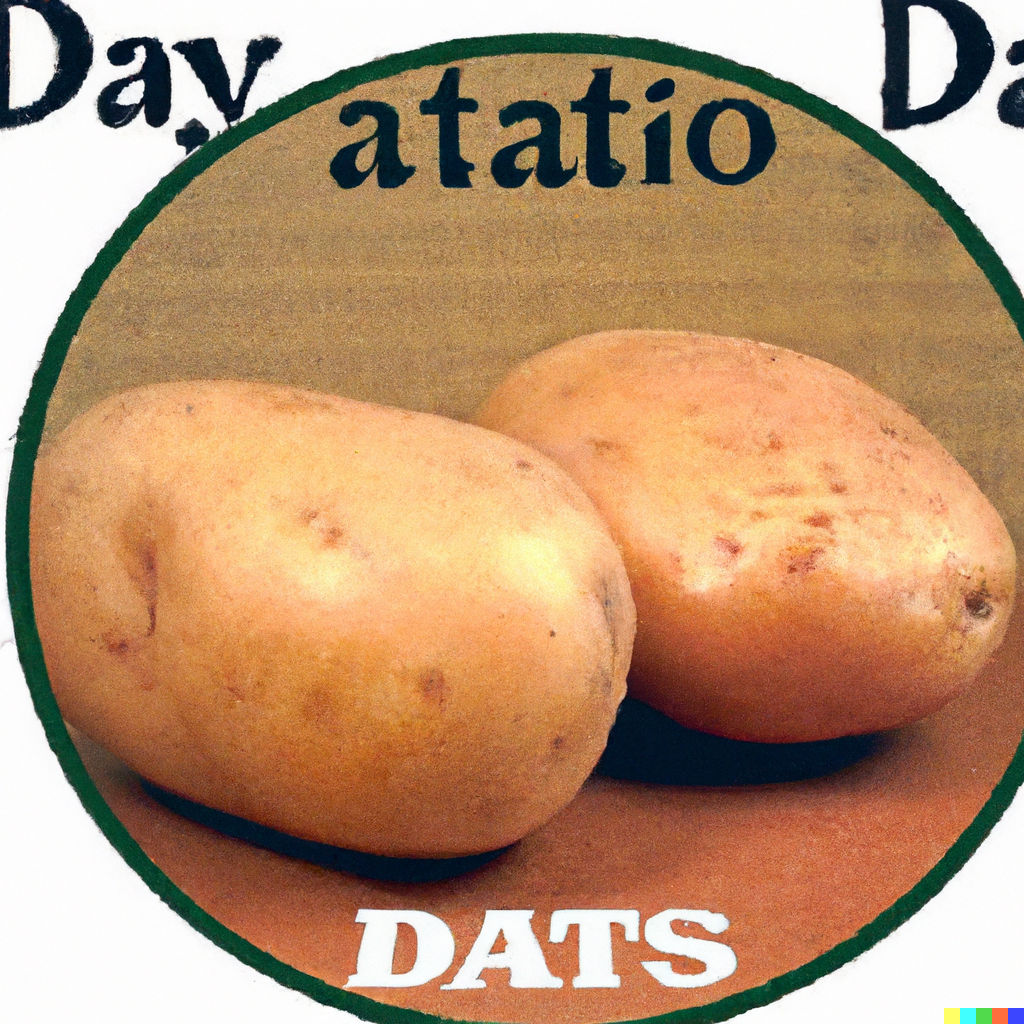
Potatoes and their role in global cuisine
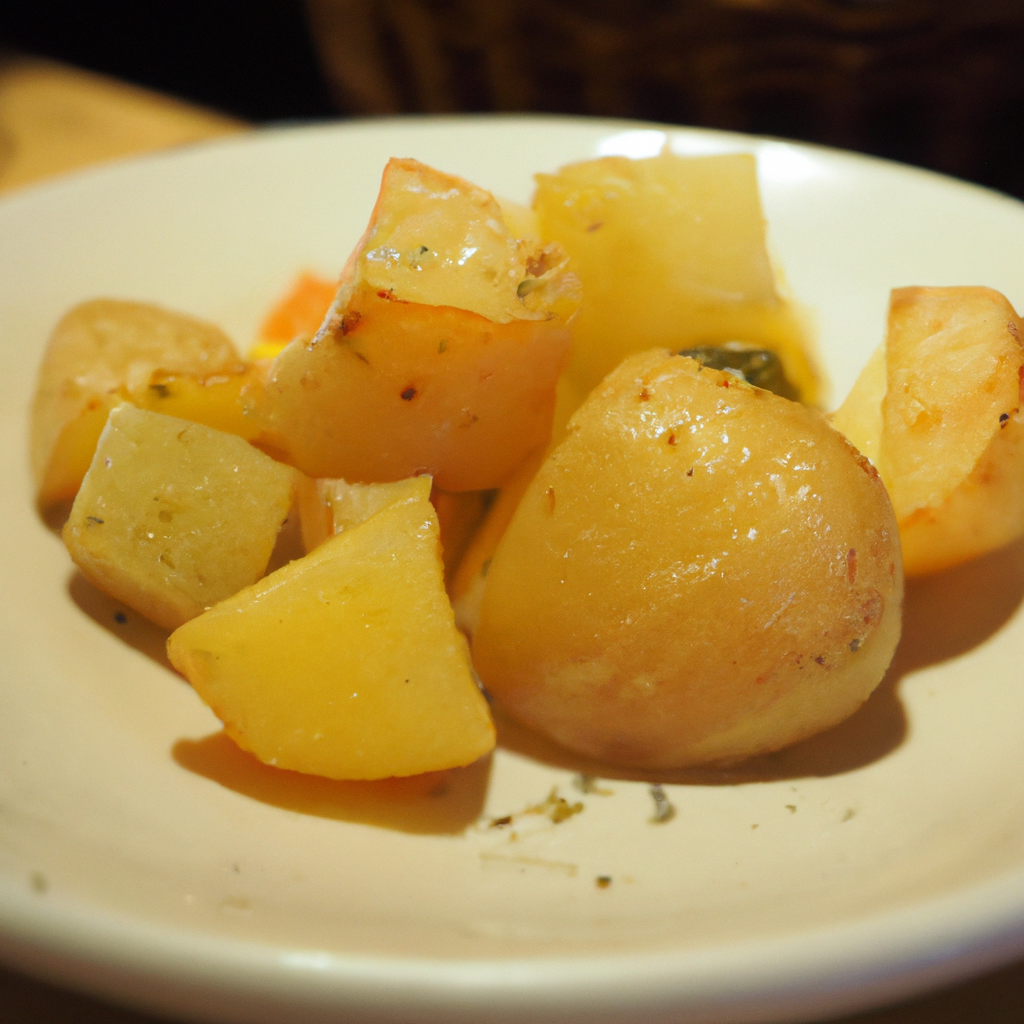
The Versatility of Potatoes in Global Cuisine
Potatoes are an essential staple food in many cultures around the world. They are a versatile, inexpensive, and nutrient-rich source of carbohydrates that can be used in many dishes. Potatoes can be boiled, mashed, roasted, fried, grilled, or baked, and they are a key ingredient in various cuisines globally. Let’s explore the history of potatoes, how they became a global cuisine staple, and their significant role in food culture.
The History of Potatoes
The potato is native to the Andes mountains in South America, where indigenous people have been growing and cultivating potatoes for at least 7,000 years. Potatoes were brought to Europe in the late 16th century, but they were initially met with suspicion and skepticism. It took a few centuries before potatoes became a widespread staple food in Europe and over time, spread across the globe.
During the 19th century, potatoes became one of the primary sources of nutrition for the working classes in Europe. With the rise in population, the demand for potatoes increased significantly, leading to the development of new cultivation techniques and the breeding of new varieties of potatoes. Additionally, the invention of the railway system helped transport potatoes from rural areas to urban cities and contributed to the food trade industry. Today, potatoes are grown in more than 100 countries worldwide, and they are the world’s fourth-largest food crop after maize, wheat, and rice.
Potatoes Across Different Cultures
The global influence of potatoes is evident in many cuisines worldwide. In Europe, potatoes are a significant food item, used in dishes such as mashed potatoes and chips, which originated in the United Kingdom. Potatoes are also a key component of Irish cuisine, with traditional Irish dishes like colcannon and boxty using the vegetable as a primary ingredient.
Potatoes heavily feature in Latin American cuisine. One of the most popular potato dishes is papas a la huancaína. This dish originated in Peru and is made with boiled potatoes, a spicy cheese sauce, boiled egg, and olives. Another popular South American dish is the Chilean dish called “chorrillana,” which consists of a layer of fries, sautéed beef or pork, onions, fried eggs, and sausage.
In East Asian cuisine, potatoes are often used in a stew-like dish with meat and vegetables, such as the Korean dish called gamjatang. The Japanese also have their own version of potato stew called nikujaga, which consists of potatoes, meat, carrots, and onions.
In India, potatoes are a key ingredient in many vegetarian and non-vegetarian curries and biryanis. One popular Indian dish is aloo gobi, which is a blend of potatoes and cauliflower in a tomato-based curry.
Nutritional Value of Potatoes
Not only are potatoes delicious, but they are also packed with nutrients. Potatoes are an excellent source of vitamin C, vitamin B6, potassium, and fiber. Potatoes are also low in fat, gluten-free, and cholesterol-free, making them an ideal choice for health-conscious individuals.
However, the nutritional value of potatoes does depend on how they are prepared. Boiling or steaming potatoes is the healthiest way of cooking them as it leads to minimal loss of nutrients. Frying potatoes, on the other hand, can add excess calories and saturated fat to your diet.
Conclusion
Potatoes are a versatile and essential food in global cuisines, with many dishes originating from various cultures worldwide. They are an inexpensive and nutrient-rich source of carbohydrates and have played a significant role in food culture throughout history. Through cultivation methods, farming technologies, and transportation advancements, potatoes have been able to grow in popularity worldwide. Their taste, versatility, and nutritional value make them an essential staple food for many people around the world.
