Potato storage and preservation methods
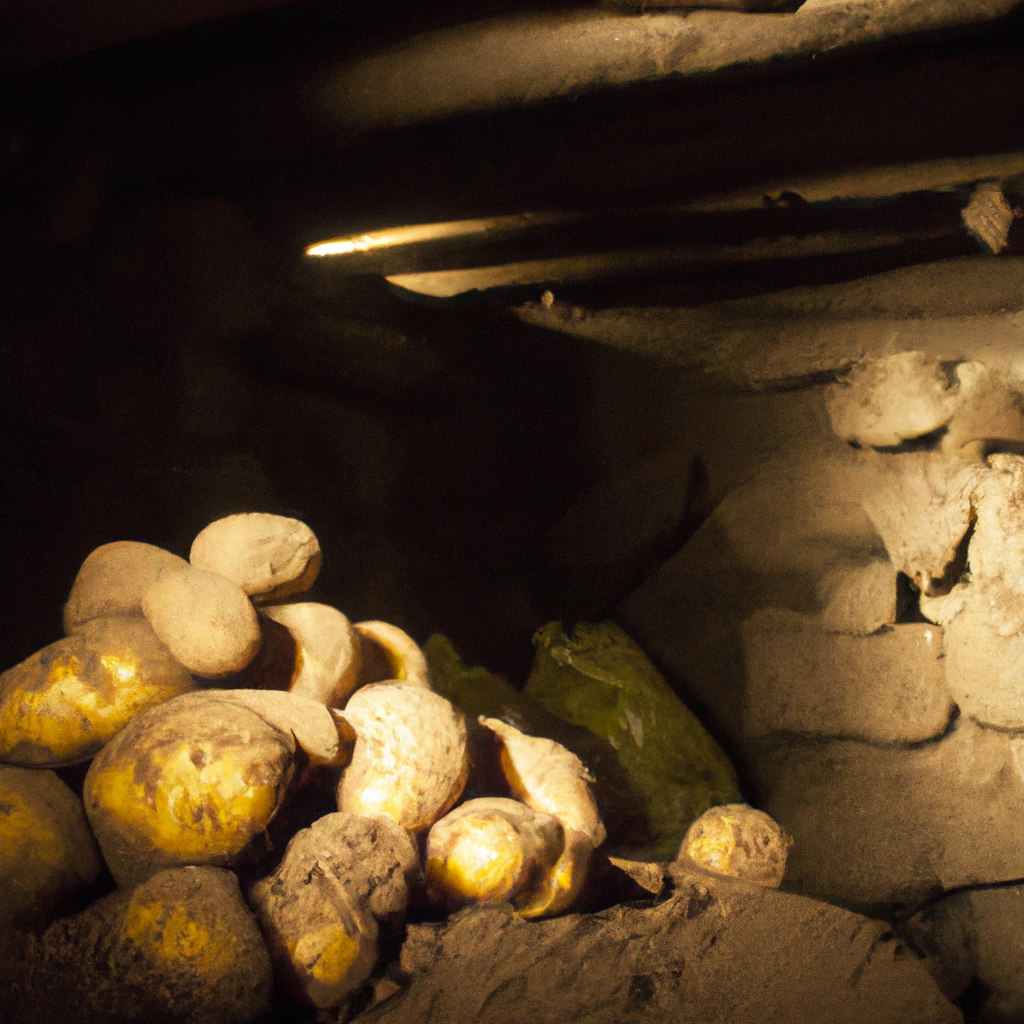
Potato Storage and Preservation Methods
Potatoes are among the most popular and versatile vegetables in the world. They are used in various dishes like mashed potatoes, fries, chips, and many more. However, keeping potatoes fresh for a longer time can be a challenge. Whether you are a farmer or someone who buys potatoes from the grocery store, proper storage and preservation techniques can help to ensure that your potatoes remain fresh and last longer.
Factors That Affect Potato Storage
There are several factors that may affect the storage of potatoes, such as:
Temperature
Potatoes should be stored in a cool, dark place with a temperature range between 45 to 50 degrees Fahrenheit. The ideal temperature for potato storage is 45°F, which helps to preserve its flavor, texture, and nutrient content. Higher temperatures can cause sprouting, rotting, or soften the potato’s texture.
Moisture
Potatoes should be kept dry to prevent sprouting, rotting, and mold growth. High humidity can cause the potatoes to spoil faster, and too much moisture can lead to disease outbreaks.
Light
Potatoes should be stored in a dark place to prevent sprouting. Exposure to light can cause the potatoes to turn green and develop a bitter taste, making them unappetizing.
Storage Methods for Potatoes
If you plan to store potatoes for an extended period, consider using the following methods:
Root cellar
A root cellar is an underground room or storage space that is used to store potatoes and other root vegetables. A root cellar helps to maintain the ideal temperature and humidity levels for storing potatoes. You can create your root cellar by excavating a hole in the ground, lining it with bricks, and covering it with a waterproof material. This method is effective for storing potatoes for several months.
Paper or Mesh Bags
Storing potatoes in paper or mesh bags is an excellent way to keep them cool and dry while preventing mold growth. Paper and mesh bags allow air to circulate, which helps to remove moisture and reduce the risk of rotting. When storing potatoes in bags, ensure that they are not overcrowded, as this can cause bruising and promote early spoilage.
Cardboard Boxes
Cardboard boxes are also an excellent storage option for potatoes. Line the box with newspaper or paper bags to absorb moisture, and place the potatoes inside. Ensure that the box is well-ventilated to keep the potatoes dry and prevent rotting.
Plastic Containers
Plastic containers can also be used to store potatoes. Ensure that the container is airtight and that it has holes for air circulation. Avoid storing potatoes in airtight containers in high humidity areas, as this can cause them to spoil due to excessive moisture.
Preservation Methods for Potatoes
Aside from storage, preservation techniques can help to extend the lifespan of potatoes. Here are some preservation methods to consider:
Freezing
Freezing potatoes can help to preserve their quality and nutritional value. To freeze potatoes, wash, peel, and cut them into pieces, boil them for a few minutes, and drain them. Allow the potatoes to cool, then place them in an airtight container or freezer bag. Frozen potatoes can last for several months and can be used in various dishes like mashed potatoes, fries, and soups.
Canning
Canning potatoes is another preservation method that can help to keep them fresh for an extended period. To can potatoes, wash and peel them, cut them into desired sizes, and cook them until they are soft. Pack the potatoes into sterilized jars and seal them tightly. Process the jars in a pressure canner at the recommended pressure and time for your altitude. Canned potatoes can last for up to two years.
Dehydrating
Dehydrating potatoes involves removing moisture from the potatoes, making them less prone to spoilage. To dehydrate potatoes, wash, peel, and slice them into thin pieces. Place the slices on a dehydrator tray and dry them until they are crisp. Alternatively, you can bake the potato slices in an oven on low heat until they are dry. Store the dehydrated potatoes in airtight containers in a cool, dry place. Dehydrated potatoes can last for up to six months.
Pickling
Pickling potatoes involves storing them in a mixture of vinegar, salt, and water. To pickle potatoes, wash and peel them, then cut them into desired sizes. Boil the potatoes for a few minutes, then place them in sterilized jars. Mix vinegar, water, and salt in a pot, bring to a boil, then pour the mixture over the potatoes, ensuring they are fully immersed. Seal the jars and store them in a cool, dry place. Pickled potatoes can last for up to six months.
Final Thoughts
Proper storage and preservation techniques can help to ensure that your potatoes remain fresh for a more extended period. Whether you choose to store your potatoes in a root cellar, paper or mesh bags, cardboard boxes, or plastic containers, keep in mind the factors that can affect their storage, such as temperature, moisture, and light. Additionally, preserving potatoes through freezing, canning, dehydrating, or pickling can help to extend their lifespan and make them readily available for various dishes. So, the next time you have potatoes, consider employing these storage and preservation methods to help keep them fresh and tasty.
