Potato processing and manufacturing techniques
#Introduction Potatoes are one of the most famous root vegetables known for their various nutritional values, mainly due to their high carbohydrate content. The agricultural productivity of potatoes differs from one region to another. Still, the crop has gained a worldwide marketable reputation in recent times owing to the advancement in processing and manufacturing techniques. Potato processing and manufacturing techniques have made the world a customer of the crop, resulting in large-scale cultivation and commercialization.
#Potato Processing Techniques
Harvesting The first step in potato processing is the harvesting of the crop. The potato crop can thrive in various soil types, but the proper harvest ensures the best yield. Harvesting is done using simple tools like a digging fork, which is used to loosen the soil around the potato root. Harvesting can last for several weeks, depending on the scale of production and farming practices in the region.
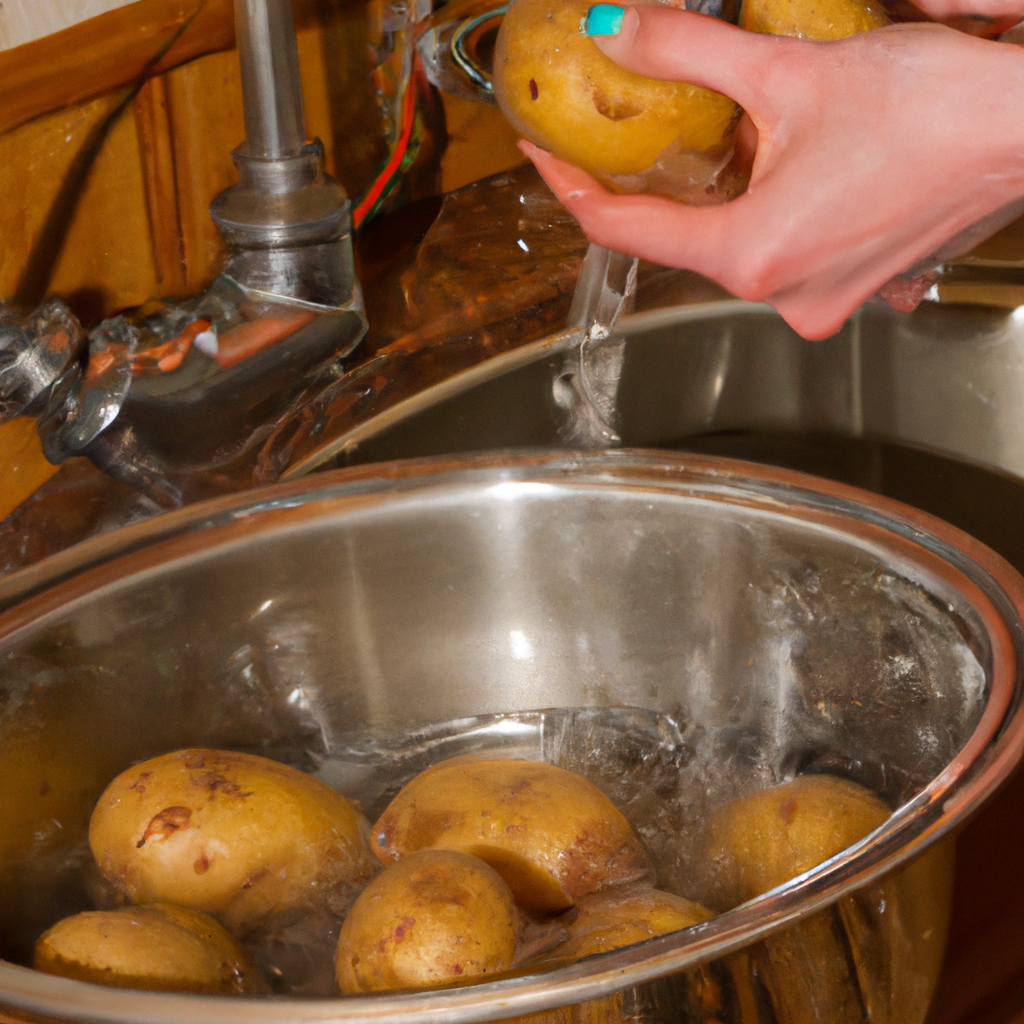
Washing and Brushing The after-harvest stage involves washing and brushing the potatoes before storage. Potatoes are washed using sprayers and rollers and then brushed to remove any dirt and debris from the surface of the root.
Sorting and Grading Once cleaned, the potatoes undergo a sorting process to ensure only the right size and quality potatoes get to the processing stage. Sorting makes it easy to separate rotten, damaged, and malformed potatoes, which are then discarded. The potatoes are then ranked according to size and quality.
Peeling and Slicing The most common processing stage for potatoes is peeling and slicing. This stage mainly aims to improve the palatability of the potato and increase the product’s shelf-life. Peeling is done using automated machines that use high-pressure water and friction to peel the skin off the potato. Slicing machines are used to cut the peeled potato into various forms, such as wedges, fries, chips, and potato flakes.
Blanching and Pre-Cooking Once the potatoes have been sliced, they undergo blanching and pre-cooking processes. Blanching involves heating the potato slices in water for a short time to deactivate enzymes that cause discoloration and off-flavors. Pre-cooking is then done to ensure the potato is half-cooked, making it easy to fry.
Frying and Baking Baking and frying are the final stages in potato processing. The cooked fries or slices are fried in oil at high-temperature to form a crispy outer layer while maintaining a soft inner core. Potatoes can also be baked to make french fries or potato chips.
#Potato Manufacturing Techniques
Potato Chips Potato chips are some of the most popular snack foods made from potatoes. They are manufactured by slicing the peeled potatoes, blanching them and pre-cooking them in hot oil, and flavoring them afterward with seasonings like salt, cheese, and other spices.
French Fries French fries, also known as chips in some places, are more popular than potatoes globally, making them a considerable market at every fast-food restaurant. Thin potato slices undergo deep frying, and the crispy fries are topped with salt or other toppings, like cheese and chives.
Potato Flakes Potato flakes are another impressive potato product. They are made from cooked and mashed potatoes that are converted into a dry powder. The potato flakes are used in the preparation of instant mashed potatoes, bread, muffins, and doughnuts.
#Potato Storage and Preservation
Potato storage and preservation involve maintaining the optimal conditions to keep the potato fresh and enjoy its nutritional benefits well after the harvesting season. Low-temperature storage around 40 to 45 °F is the best practice. Any higher temperature would trigger the aging, decomposing, and spoiling of the potato. A well-ventilated storage area, with a humidity level between 85% to 90%, would prevent the potato from drying out, cracking, and going soft.
#Conclusion
Potatoes processing and manufacturing techniques have revolutionized the crop’s commercial accessibility and increased its nutritional value. Various steps in the processing stage, from harvesting to frying, have paved the way for nutritional, economic, and industrial benefits to consumers and processors worldwide. By implementing these various techniques in production, potatoes will continue to be a valuable and beneficial food source for many centuries to come.
