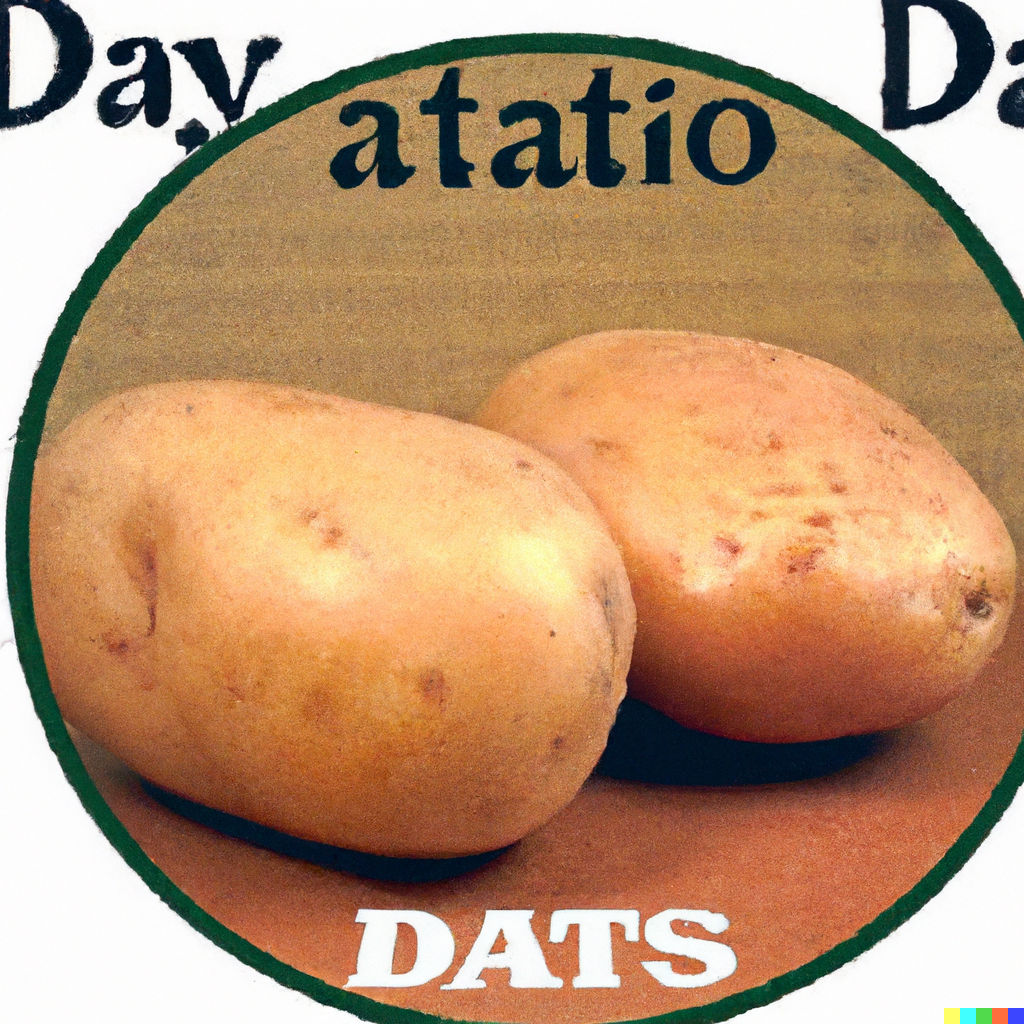
Potato nutrition and health benefits

The Health Benefits of Potatoes
Potatoes are one of the most popular vegetables in the world, and for good reason. Not only are they tasty and versatile, but they’re also packed full of nutrients that are essential for good health. In this article, we’ll take a closer look at the nutritional value of potatoes, as well as some of the health benefits they provide.
Nutritional Content
Potatoes are a rich source of several essential vitamins and minerals, including:
- Vitamin C: An antioxidant that plays a critical role in immune function, wound healing, and the production of collagen.
- Potassium: An important mineral that helps to regulate fluid balance, heartbeat, and muscle contractions.
- Vitamin B6: A key nutrient that plays a vital role in brain development and function, as well as the production of red blood cells.
- Fiber: A type of carbohydrate that helps to promote digestion, regulate blood sugar levels, and lower cholesterol.
In addition to these nutrients, potatoes also contain small amounts of other essential vitamins and minerals, including iron, magnesium, and folate.
Health Benefits
Potatoes provide a range of health benefits thanks to their nutrient content. Here are just a few of the ways that they can help to promote good health:
Digestive Health
Potatoes are an excellent source of dietary fiber, which is essential for healthy digestion. Fiber helps to promote regular bowel movements, reduce inflammation in the gut, and lower the risk of conditions such as constipation, diverticulitis, and colon cancer.
Heart Health
Potatoes are a rich source of potassium, which is important for maintaining a healthy heart. Studies have shown that a diet high in potassium can help to lower blood pressure, reduce the risk of stroke, and prevent cardiovascular disease.
Brain Function
Potatoes are also a rich source of vitamin B6, which plays a critical role in brain development and function. This nutrient is essential for the production of neurotransmitters, which are chemicals that transmit signals between nerve cells in the brain.
Immune Function
Potatoes are packed full of vitamin C, which plays a critical role in immune function. This antioxidant helps to protect cells from damage caused by free radicals, which are unstable molecules that can lead to inflammation, aging, and disease.
Weight Management
Potatoes are relatively low in calories and high in fiber, which makes them a great food for weight management. Fiber helps to promote feelings of fullness, which can reduce the amount of food you consume and help to prevent overeating.
Potential Risks
While potatoes provide many health benefits, there are some potential risks associated with their consumption. Here are a few things to keep in mind:
Acrylamide
When potatoes are cooked at high temperatures, they can produce a chemical called acrylamide, which is a potential carcinogen. However, the risk is relatively low and can be reduced by cooking potatoes at lower temperatures.
Glycemic Index
Potatoes have a high glycemic index, which means they can cause a rapid rise in blood sugar levels. This can be problematic for people with diabetes or those who are insulin resistant.
Solanine
Potatoes contain a natural toxin called solanine, which can be harmful if consumed in large quantities. However, the risk is relatively low, and most people would need to consume a large amount of potatoes to experience any adverse effects.
Conclusion
Overall, potatoes are an excellent food that provides a range of health benefits. They are packed full of essential vitamins, minerals, and fiber, which makes them an excellent addition to any diet. However, as with any food, it’s important to consume them in moderation and be aware of any potential risks associated with their consumption.
