Potato farm management and sustainability practices
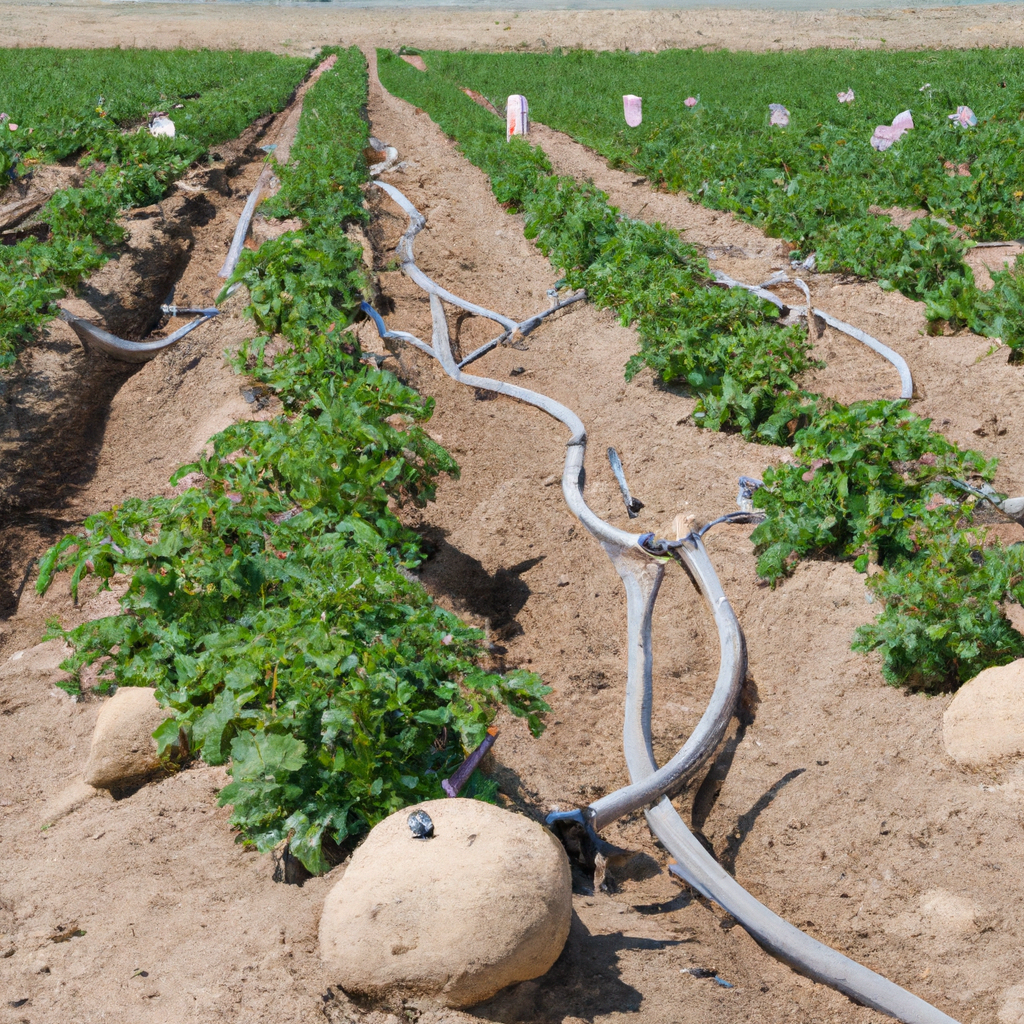
Potato Farm Management and Sustainability Practices
Potatoes are one of the most popular and widely consumed vegetables in the world. They are also one of the most important crops grown for food and economic purposes. As with any crop, the management of potato farms is crucial to ensure the sustainability of the industry. In this article, we will discuss the importance of potato farm management and sustainable practices.
Potato Farm Management
Potato farming, like any other agricultural venture, has its challenges. One of the most important aspects of managing a potato farm is soil preparation. Proper soil preparation is essential to ensure maximum yield and optimal plant nutrition.
To achieve this, the soil must be properly tested for its nutrient content, and the necessary amendments made to improve its fertility. Organic fertilizers such as manure or compost are a more sustainable source of nutrients than synthetic fertilizers. They also help to improve soil structure and water-holding capacity.
Another important aspect of potato farm management is pest and disease control. This is done through the application of relevant pesticides and fungicides. However, excessive use of these chemicals can have negative environmental and health impacts. Therefore, it is necessary to adopt integrated pest management (IPM) practices such as crop rotation, maintaining healthy soil, and using natural predators to manage pests.
Potato harvest must also be coordinated properly to ensure that the produce is of high quality. Harvesting too early or too late can result in low yields, while harvesting too early can also result in potatoes that are smaller than the desired size.
Sustainable Practices
Beyond the conventional farming practices, sustainable potato farming is an approach that ensures the long-term viability of the industry while minimizing the negative impact on the environment. Some sustainable practices include:
Conservation Tillage
This practice leaves some of the plant material on the soil surface after harvest, which helps to reduce erosion, build soil organic matter, and protect soil moisture. Additionally, tillage can also help to control weeds, thereby addressing damage to soil structure.
Crop Diversification
Growing a diverse range of crops has many benefits, including reduced pest pressure and soil degradation. It also provides farmers with alternative sources of income and reduces the likelihood of over-dependence on a single crop.
Water Management
Potatoes require a significant amount of water to grow, especially in areas with limited rainfall. Sustainable water management practices such as the use of drip irrigation systems and water-harvesting techniques can help to save water and reduce wastage.
Soil Conservation
Soil conservation practices such as crop rotation, conservation tillage, and cover crops help to preserve the health and fertility of the soil. It also reduces soil erosion and improves water quality.
Conclusion
Sustainable potato farming is essential to ensure the long-term viability of the industry while minimizing the negative impact on the environment. Proper potato farm management, including soil preparation, pest and disease control, and harvesting, is critical to achieve optimal yields and plant nutrition. Sustainable practices such as conservation tillage, crop diversification, water management, and soil conservation are crucial to ensure the sustainability of potato farming. By adopting these practices, potato farmers can continue to produce high-quality produce while reducing their environmental impact.
